Why Salt Air Changes How Bayside Homes Need Cleaning
Living along Melbourne’s iconic Bayside corridor offers undeniable lifestyle benefits. Suburbs stretching from Elwood, Brighton, and Sandringham down through Beaumaris, Mentone, and Frankston boast sweeping views of Port Phillip Bay, refreshing maritime breezes, and prime coastal real estate. However, the very feature that draws homeowners to this region—the bay—imposes an aggressive, continuous environmental burden on exterior building materials. Salt air fundamentally changes the chemical and physical degradation rates of residential properties, requiring a completely different approach to exterior maintenance, exterior surface restoration, and regular sanitisation.
In 2026, building science and exterior cleaning technologies have evolved significantly to counter these coastal elements. Gone are the days when simply blasting a surface with raw tap water or relying on abrasive, high-pressure equipment was considered adequate maintenance. Marine atmospheric conditions alter the microclimate of Melbourne Bayside, turning regular dust and organic debris into corrosive compounds. Understanding how salt interacts with paint, masonry, glass, timber, and metal is essential for preserving both the aesthetic appeal and structural longevity of a coastal home.
The Chemistry of Coastal Air: How Marine Salts Attack Exterior Surfaces
Coastal air is laden with microscopic droplets of seawater known as marine aerosols. These droplets are carried inland by prevailing sea breezes across Port Phillip Bay, traveling anywhere from a few hundred metres to several kilometres from the shoreline. As the water within these suspended droplets evaporates, tiny, concentrated crystals of sodium chloride, magnesium chloride, calcium chloride, and potassium chloride remain floating in the atmosphere until they collide with the exterior envelope of your home.

Unlike standard suburban dust, sea salt is hygroscopic. This means salt particles actively draw moisture out of the air, even on warm, seemingly dry days when relative humidity exceeds 70 percent—a daily occurrence across Bayside Melbourne. This constant moisture retention creates a perpetual thin, saline electrolyte solution on the surfaces of your property. This film drastically accelerates electrochemical reactions, including the oxidation of structural metals, the degradation of external paints, and the mechanical breakdown of porous building materials.
When salt crystals lodge into the micro-pores of concrete, render, brickwork, or natural stone, they undergo a repeated process known as subflorescence or haloclasty. When wet, the salt dissolves and migrates deeper into the substrate; when dry, the salt recrystallises and expands within the microscopic cavities. Over time, the internal hydraulic pressure generated by these growing crystals exceeds the tensile strength of the building material, leading to surface spalling, flaking, micro-cracking, and the premature failure of modern exterior wall coatings.
Why Standard Cleaning Fails: Soft Washing vs. High-Pressure Washing
Because the physical and chemical mechanics of marine deposits are unique, standard exterior maintenance methods often cause more damage than benefit. Many property owners assume that intense power washing https://pressurecleaningbayside.com.au/gutter-cleaning/ is the best solution for removing grime. In reality, aggressive, uncalibrated pressure washing on salt-compromised substrates can strip protective sealants, force salt crystals deeper into the pores of render, and fracture brittle exterior surfaces.
The standard methodology in 2026 distinguishes clearly between high-pressure techniques and dedicated soft washing applications. Soft washing utilizes specialised, biodegradable chemical solutions applied at low pressure to break the ionic bond between the salt film, organic biofilms, and the home's siding. Salt cannot simply be moved around; it must be chemically neutralised, encapsulated, and rinsed away with high-volume, low-pressure water. Only non-porous, highly resilient ground surfaces truly benefit from calibrated pressure cleaning, and even then, specific pre-treatment surfactants are necessary to dissolve bonded salt minerals before washing begins.
When approaching general house washing along Melbourne Bayside, the goal is not mechanical force, but chemical equilibrium. Using excessive mechanical pressure strips the sacrificial topcoats of exterior paint systems, exposing the lower, unsealed layers to immediate salt air intrusion. Once sea salt bypasses the topcoat, paint bubbling, chalking, and delamination accelerate exponentially, leading to costly and premature repainting projects.
Exterior Substrates Under Siege: Roofs, Walls, and Driveways
Every surface material on a coastal property reacts differently to marine aerosols. Implementing an effective maintenance plan requires addressing these specific vulnerabilities across the primary areas of your home's exterior.
Roof Systems: Tile, Colorbond, and Solar Panels
Your roof bears the brunt of continuous exposure to salt-laden wind and rain. On coated metal roofing, such as Colorbond, unwashed areas—especially beneath eaves, under solar panel frames, and inside box gutters—are the most susceptible to marine corrosion. In these sheltered zones, rain cannot naturally wash away accumulating sea spray. The salt crusts, retains moisture, and corrodes through the protective zinc-aluminium coatings, targeting fastener penetrations and sheet laps.
For tiled roofs, particularly terracotta and concrete variants, salt fosters a hyper-receptive environment for lichen, moss, and fungal growth. Lichen uses acidic secretions to anchor its root-like structures into the tiles, compounding the mechanical damage caused by expanding salt crystals. Professional roof cleaning along the bay incorporates antifungal treatments combined with salt-chelating agents to sterilise the roof surface without cracking delicate tiles or dislodging ridge capping mortar.
Render, Weatherboard, and Architectural Cladding
Modern coastal architectural design heavily features acrylic render, composite cladding, and painted timber weatherboards. Acrylic renders are flexible, but their textured surfaces act as microscopic traps for salt aerosols. When combined with vehicle emissions along major arterial routes like Beach Road, this creates an unsightly, greasy grey film that stains the facade. Routine house washing using specialised cleaning agents prevents these pollutants from baking into the acrylic matrix under the intense Australian summer UV index.
Driveways, Patios, and Hardscapes
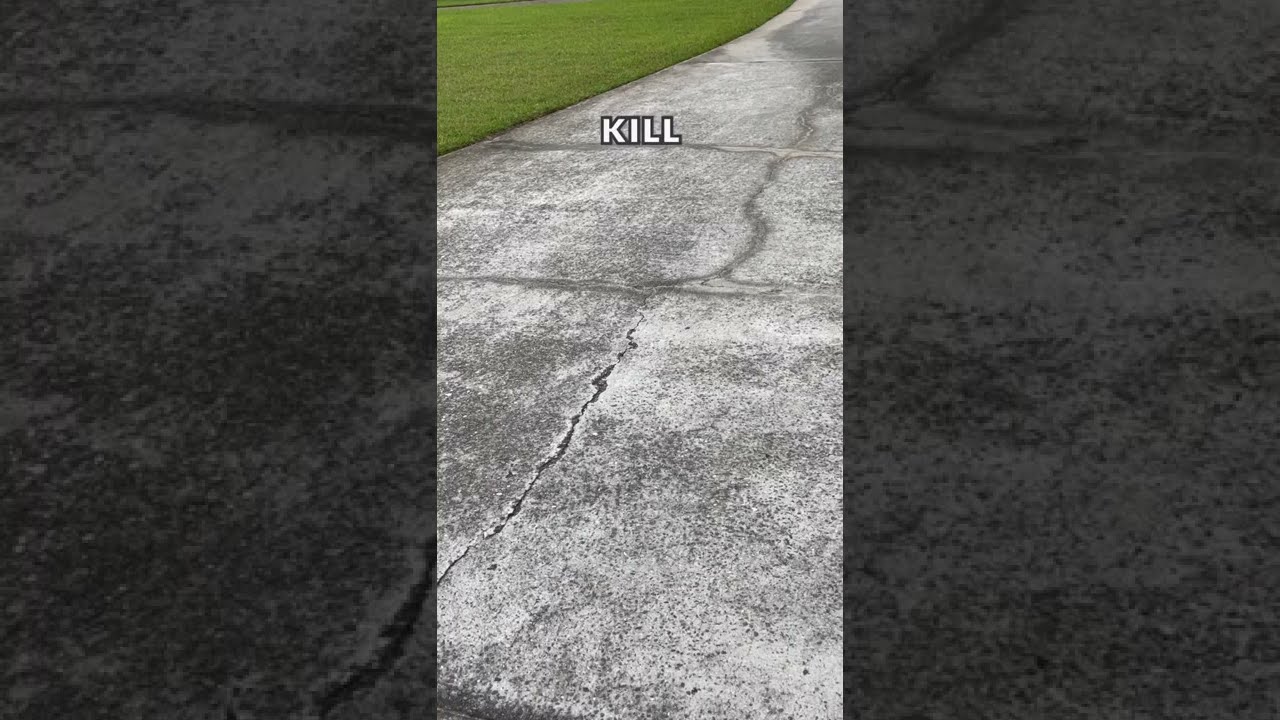
Driveways and outdoor entertainment areas—whether paved with exposed aggregate, poured concrete, bluestone, or travertine—absorb significant amounts of airborne salt and vehicle-tracked marine residue. Unsealed or poorly maintained concrete driveways develop efflorescence, an unsightly white crystalline powder that leaches out of the cement matrix. Thorough driveway cleaning involves deep rotary surface cleaning paired with deep-penetrating sealers that repel saline water ingress, stopping concrete dusting and surface pitting before structural damage takes hold.
The 2026 Shift: Eco-Friendly Surfactants and Wastewater Compliance
Coastal cleaning practices in 2026 are heavily influenced by environmental stewardship, particularly regarding the health of Port Phillip Bay. Local councils throughout Melbourne Bayside have strict regulations surrounding stormwater runoff. Untreated exterior cleaning wastewater carrying high chemical concentrations, heavy metals, and displaced oils cannot be allowed to flow directly into street gutters and storm drains leading to local beaches.
Modern professional cleaners employ multi-stage containment and neutralisation practices. Eco-friendly, phosphate-free surfactants are applied to loosen marine deposits and biological matter. These cleaning formulations are designed to neutralise rapidly upon exposure to air and water, breaking down into harmless organic compounds. Advanced recovery systems capture run-off water during intensive pressure cleaning operations on driveways and hardscapes, preventing contaminated water from entering sensitive marine ecosystems.
Strategic Cleaning Schedules for Bayside Properties
Because salt deposition is continuous, maintenance cannot be treated as an occasional, reactive task. A structured, preventative schedule protects your asset year-round and maintains warranty requirements on building materials.

- Quarterly Low-Pressure Rinses: High-exposure glass, window tracks, balustrades, and under-eave areas should receive regular low-pressure freshwater washdowns to prevent crystalline crusting.
- Bi-Annual Exterior House Washing: Comprehensive wall washing using specialised salt-dissolving detergents should occur every six months to protect paint warranties and remove microscopic organic growth.
- Annual Roof and Solar Array Servicing: A yearly inspection and professional roof cleaning removes corrosive deposits from metal sheet laps, tile valleys, and solar panel glass, optimising energy generation.
- Annual Hardscape Restoration: Dedicated driveway cleaning and patio deep-washing clears out ground-in salt particles, organic stains, and winter moss, followed by sealer replenishment where needed.
Critical Maintenance Practices for Coastal Homeowners
Implementing targeted protective measures between professional cleaning visits helps mitigate the progressive impact of the marine microclimate.
- Inspect Unwashed Zones Regularly: Focus your attention on areas protected from direct rainfall, such as beneath patio ceilings, carports, and soffits, as these accumulate the highest concentrations of unrinsed salt.
- Avoid Pure High-Pressure Blasting: Never allow uncalibrated high-pressure wands to be used on painted weatherboards, rendered walls, or aged mortar, as the micro-fissures created will invite immediate salt penetration.
- Wash Down Architectural Hardware: Stainless steel handles, hinges, and exterior lighting fixtures should be wiped down monthly; even marine-grade 316 stainless steel will develop "tea staining" if left encrusted with salt.
- Maintain Sub-Surface Drainage: Ensure garden beds and paving drain freely away from external foundations to prevent saline groundwater from being wicked up through brickwork via rising damp.
Preserving Long-Term Property Value on the Bay
Salt air is an inescapable reality of Melbourne Bayside residency, but structural and cosmetic deterioration is entirely preventable. The corrosive forces of Port Phillip Bay demand an informed, chemistry-based approach to exterior care rather than blunt mechanical force. Homeowners who replace infrequent, harsh power washing with consistent, calibrated soft washing and protective sealants successfully shield their investments from coastal wear and tear. Looking ahead to 2027 and beyond, modern building materials will continue to advance, yet the fundamental requirement remains unchanged: consistent, intelligent maintenance is the definitive key to keeping any coastal home beautiful, durable, and resilient.
Bayside Pressure Cleaning Pros
Unit 3/3-5 Arnold St, Cheltenham VIC 3192
ph. (03) 4517 6380